Seamless integration
Predictive quality directly in autfactory – no additional systems required

No need for 100% final inspection thanks to predictive quality
100% final inspection? No need for that !
autfactory evaluates components during production—and shows early on whether a part will be OK or not OK before it reaches the final test bench. With real-time data and machine learning, you can detect deviations immediately and check only where it is really critical.
For predictive quality to function reliably on the shop floor, one thing is essential: data that AI models can actually work with. We ensure clean production data (collection, context, preparation). For the AI models, we collaborate with IconPro, specialists in AI-supported evaluations. The result: a robust predictive quality solution that works under real production conditions.
Mehr zum Thema KI am Shopfloor erfahren
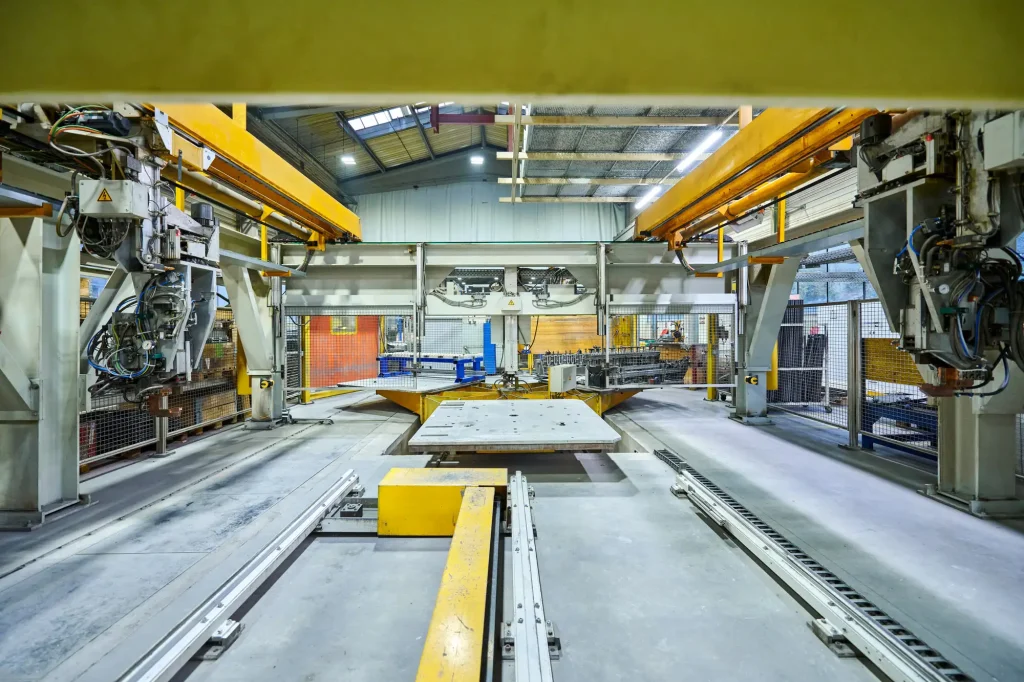
Artificial intelligence and deep learning on the store floor are no longer dreams of the future. We are also working intensively with these technologies and have gained valuable insights for quality assurance in practice as part of a research project. In collaboration with our AI partner, we were able to demonstrate the following after data preparation, analysis, and training of the artificial intelligence:
We know which components are NOK before they are tested on the final test bench!
Mehr zu Predictive Quality erfahren
Our systems analyze production and testing data in real time to speed up testing processes. Through the targeted use of statistical methods and machine learning, we reduce unnecessary inspections and focus on critical areas. This reduces the testing effort and increases the throughput speed.
With predictive quality, potential quality problems can be identified and avoided during the production process. Our AI models analyze historical and current production data to identify trends at an early stage and eliminate sources of error. This minimizes waste, avoids costly reworking and increases the overall quality of your production.

The key to industrial analytics and AI is large amounts of high-quality data to enable secure and productive applications.
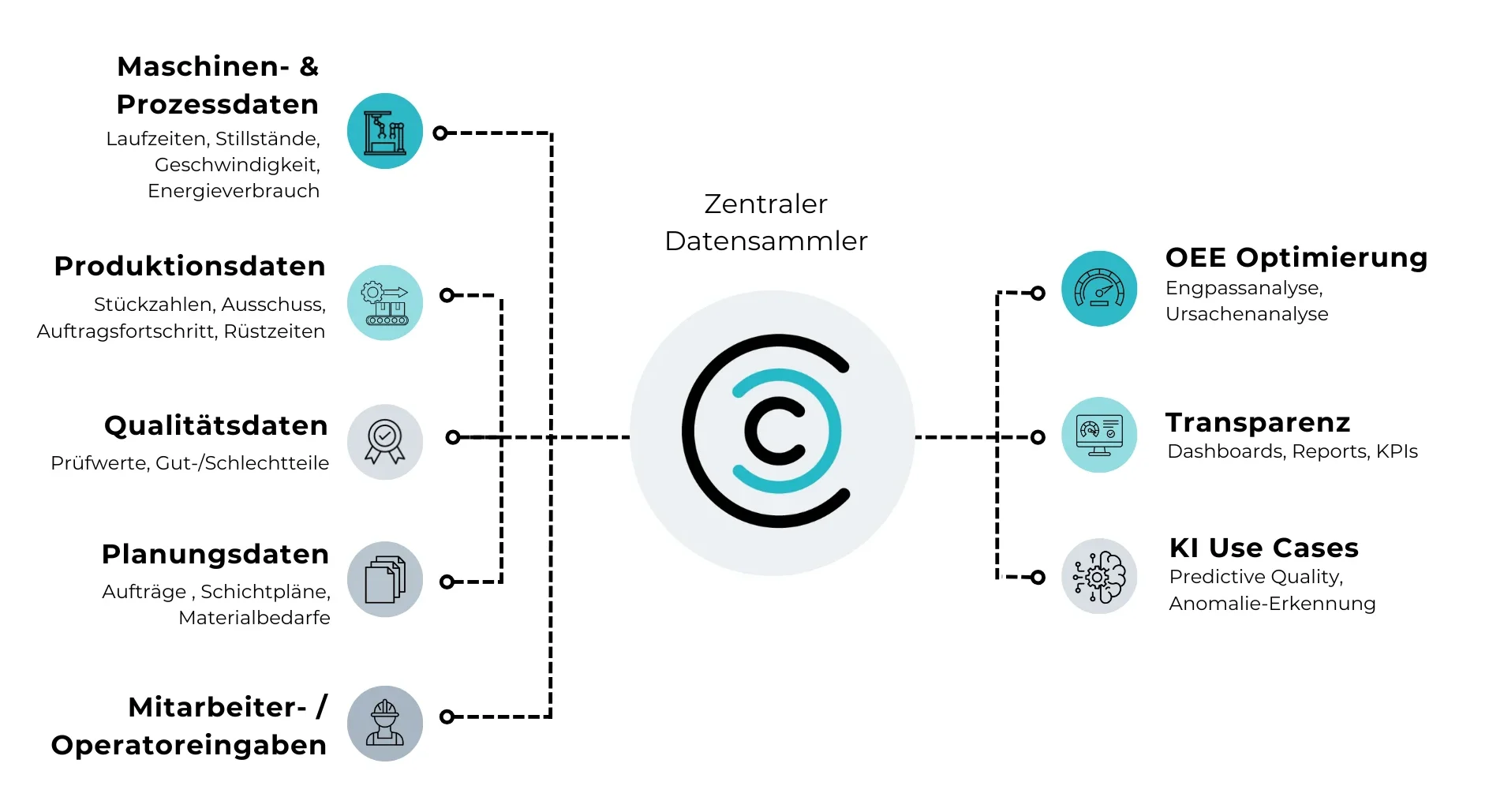
AI models are only as good as the data they learn from. autfactory creates precisely this foundation.
We bundle machine and process data, production data, quality data, planning data, and operator inputs to generate a usable, uniform database.
We deliver data in a quality and structure that AI can actually work with—as a foundation for predictive quality, anomaly detection, but also for transparency (dashboards/KPIs) and OEE optimization.
Datenqualität-Check anfragenWith autfactory, you can identify rejects where they occur—not just at the end of the line. AI-supported early detection makes deviations visible at an early stage, allowing affected parts to be sent for reworking before they tie up time, capacity, and material in further process steps. This significantly reduces inspection time and equipment – and optimizes your existing infrastructure without additional capital investment. Because at the end of the day, data quality = result quality – only with consistent, reliable shop floor data can predictive quality be truly accurate.
Kontakt aufnehmen und Potenzial abschätzen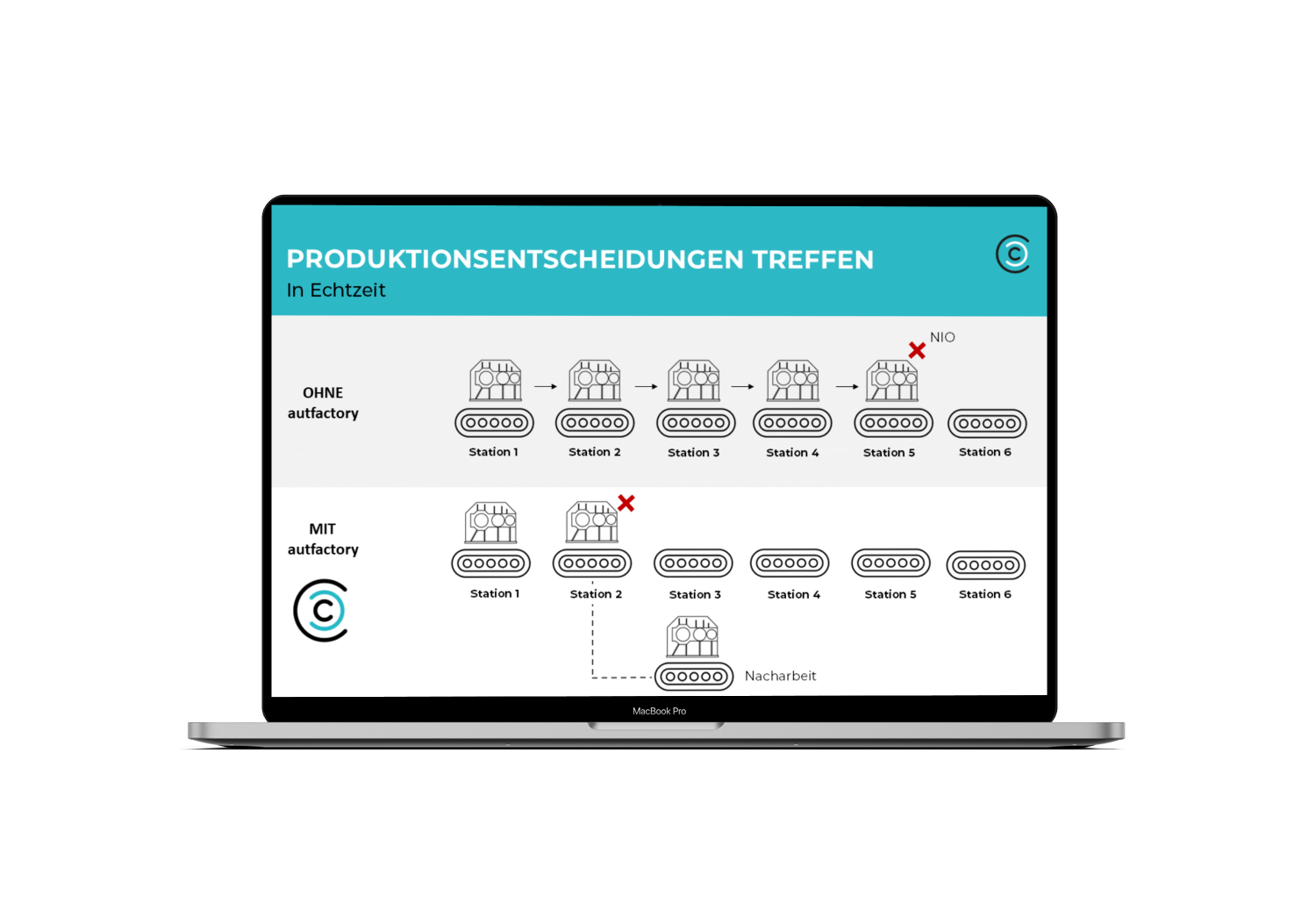
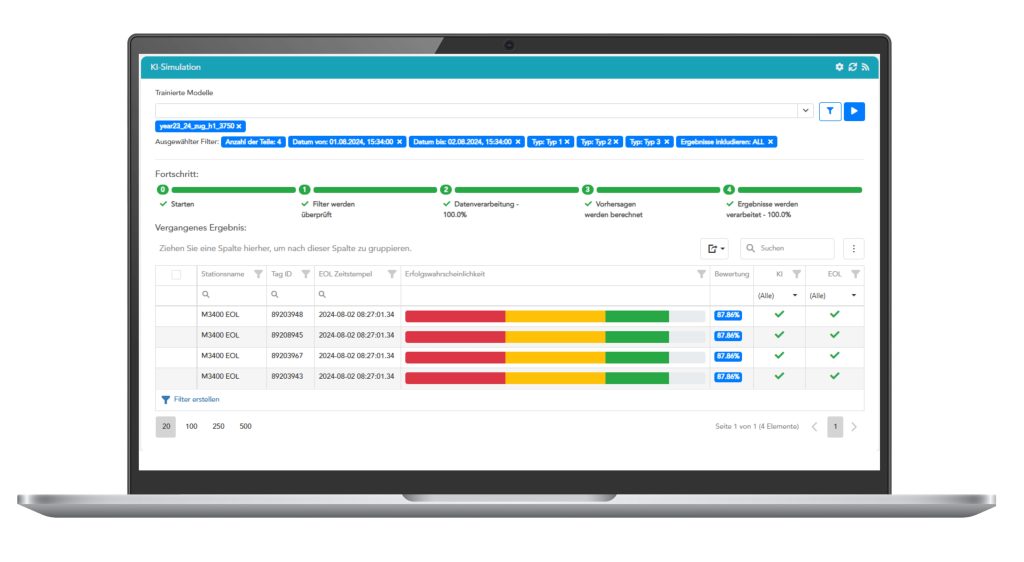
Initial situation: In many production lines, end-of-line testing (EOL) is a clear bottleneck. Although upstream processes still have reserves, throughput is limited by EOL. An additional test bench would be a solution, but it is usually expensive, requires space, and involves validation costs.
Predictive quality approach: Process data from assembly, screwdriving stations, leak testing, and measuring stations are linked to existing EOL data. On this basis, a predictive quality model can be trained that evaluates the probability of a “pass/fail” even before the EOL test.
Benefits:
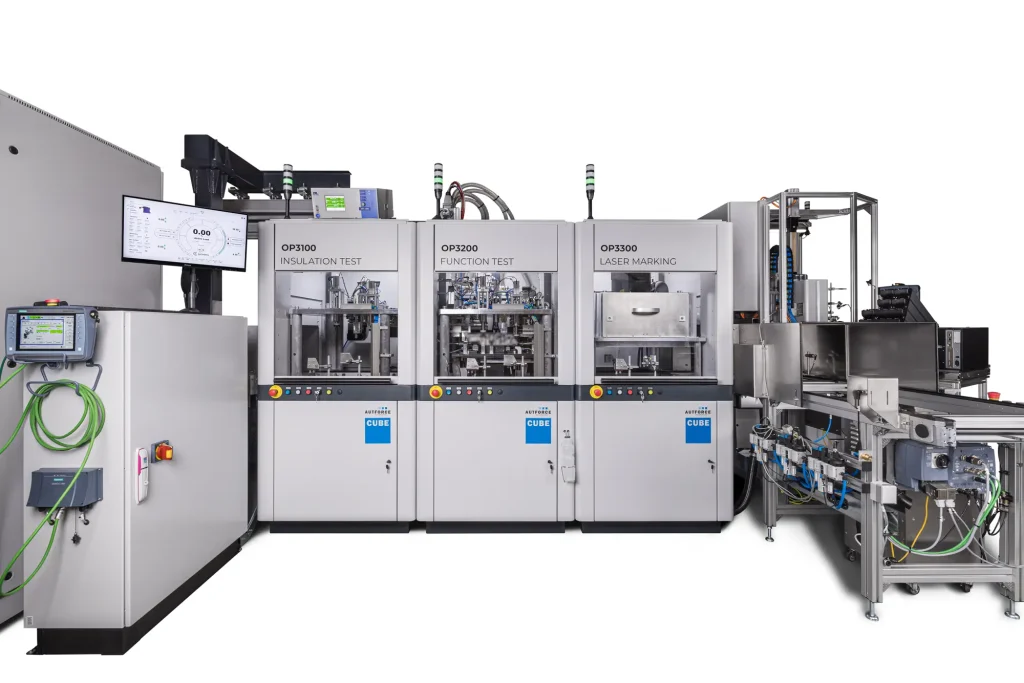
Initial situation: In complex manufacturing processes, quality problems often arise not from a single parameter, but from interactions. Especially in heat treatment, batch changes, material variations, or process drift, scrap and rework can fluctuate—even though all individual values are within specification.
Predictive quality approach: A comprehensive component history (traceability) is established and process and quality data are consolidated across all stations. The predictive quality model not only evaluates limit violations, but also identifies critical combinations of parameters (e.g., furnace profile + batch + quenching conditions).
Benefits:
Initial situation: In highly automated filling and packaging lines, small deviations (e.g., sealing, pressure/temperature drift, micro-leaks, labeling errors) can cause high follow-up costs. It becomes particularly expensive when errors are detected late—e.g., after final inspection or even after batch completion.
Predictive quality approach: Inline data from sensors, camera systems, and process parameters is linked to final inspections and quality data. A predictive quality model can continuously assess the risk per batch or process phase and identify deviations at an early stage—before they affect large quantities.
Benefits:
With SoliDAIR, we are part of an EU-funded industrial project driving the introduction of AI, data, and robotics in manufacturing—with a clear focus on reliable, scalable quality control.
In our use case for automotive transmission assembly, the classic end-of-line inspection process for 50% of products is supplemented or replaced by AI-supported quality control. The goal: to detect errors preventively, better understand their causes, and derive proactive corrective measures directly in the process—through the interaction of humans and AI.
You benefit from predictive quality that not only “builds models” but has also been further developed under real-world conditions.
Mehr über SoliDAIR erfahren
Predictive quality directly in autfactory – no additional systems required

Optimization of your production processes without unnecessary testing

Real-time data enables immediate predictions

Adaptation of the predictive quality solution to your specific requirements


At AUTFORCE, we specialize in testing systems & industrial software . Get in touch with us. Together we will find the best solution for your particular challenge!
Christoph Steiger
Industrial software expert
+43 (664) 59 78 668
[email protected]